
From XDA ROM Kitchens to Locked Bootloaders — Why Right to Repair Must Include Software Freedom
There was a time when your phone actually felt like your device.
Not just physically yours because you paid for it, but architecturally yours. You could unlock it, rebuild it, replace parts of it, and shape it around your own needs. Your phone was becoming a pocket computer, and many of us treated it exactly that way.
This article was not planned.
It started because a customer brought me a modern gaming phone wanting “global firmware” flashed onto it. Fifteen years ago, that would have been straightforward. Unlock it, back it up, flash it, tune it, test it, done.
Today the process involves:
- cloud-bound unlock permissions
- region restrictions
- anti-rollback protection
- attestation systems
- encrypted partitions
- preserving calibration data so basic hardware functions continue working
And suddenly I found myself deep in nostalgia.
Long before I ran Norgan Technology, I was heavily involved in the XDA Developers community during the Windows Mobile, HTC HD2, and early Android era. I was not just flashing ROMs. I was cooking them, debugging them, rebuilding them, and releasing them publicly.
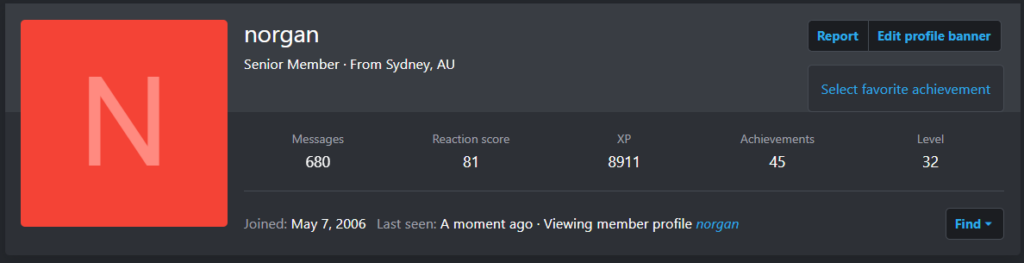
Back then, communities like XDA were full of people experimenting, learning, sharing fixes, porting drivers, improving battery life, debugging radios, and squeezing every last bit of performance out of hardware manufacturers had already abandoned.
I signed off on my first public ROM release back in 2010. Looking at those old threads now feels like opening a time capsule from a very different era of computing.
Before Smartphones Became Appliances
I still remember sitting on the top floor at Granville TAFE in 1997, experimenting with analogue mobile phones and modifying a Motorola Pocket Classic by manually jumping battery pins to access engineering and scanning functions.
This was before smartphones, before app stores, and long before locked-down ecosystems became normal.
Years later, that same curiosity evolved into ROM cooking, firmware modification, radio tuning, and involvement in the XDA Developers community during the Windows Mobile and early Android era.
Communities like XDA, early GSM forums, PDA communities, and embedded hardware groups were full of people learning collaboratively. Discoveries, fixes, tools, and techniques were shared openly. Many of us learned more practical systems engineering there than we ever did through formal education.
Phones were becoming pocket computers, and for a brief period, users were genuinely allowed to own them.
We were not modifying devices because we hated them.
We were doing it because we loved them.
The Golden Era of Device Ownership
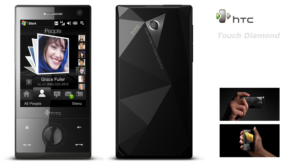
The HTC HD2 became legendary because the community refused to accept its official limitations. People managed to run Windows Mobile, Android, Linux, and Windows Phone on hardware never intended to support all of them.
You could:
- replace the operating system
- modify kernels
- tune radios
- optimise drivers
- customise interfaces
- recover failed flashes
- extend the life of abandoned hardware
That era created an entire generation of accidental engineers.
We learned by experimenting.
If battery life was poor, you investigated why.
If the phone lagged, you replaced the kernel.
If updates stopped, the community stepped in.
Your phone was not a sealed appliance. It was a system you could understand.
Ironically, that openness produced many of today’s repair technicians, developers, and systems architects.
What Changed?
Modern phones are objectively more powerful, secure, and polished than those older devices ever were.
But they are also increasingly hostile to ownership.
Today we see:
- locked bootloaders
- cryptographic attestation
- anti-rollback protection
- cloud-bound activation
- serialised components
- inaccessible calibration data
- software locks tied to hardware replacement
Even replacing a battery or screen can trigger warnings, reduce functionality, or disable features entirely.
Manufacturers frame much of this as security, and some of it genuinely is. We do need secure devices. We do need protection from malware, fraud, and compromised firmware.
But somewhere along the line, the industry quietly shifted from:
“You own this device.”
to:
“You are permitted to use this device under our conditions.”
That is a fundamentally different relationship.
Right to Repair Is Not Just Hardware
When people hear “Right to Repair,” they usually think about:
- batteries
- screens
- screws
- glue
- spare parts
Those things matter.
But software freedom matters too.
A truly repairable device should allow:
- bootloader unlocking
- operating system replacement
- community firmware
- access to diagnostics
- backup and restoration of calibration data
- independent servicing without vendor approval
A phone should not become landfill because a company stopped supporting it.
A repair technician should not require hidden corporate authorisation to restore hardware the customer legally owns.
Why This Matters Beyond Phones
This is not nostalgia for nostalgia’s sake.
This affects:
- sustainability
- e-waste
- digital sovereignty
- accessibility
- consumer rights
- cybersecurity resilience
- education
Open systems create curious people.
Curious people learn.
The old modding communities taught an entire generation troubleshooting, reverse engineering, software architecture, hardware interaction, and systems thinking.
Many of us accidentally became engineers because we wanted better battery life, smoother scrolling, cleaner interfaces, or simply devices that worked the way we needed them to.
Ownership should include the right to understand and modify your tools.
The Balance We Actually Need
This does not mean every phone should ship fully unlocked by default.
Most people want devices that:
- just work
- stay secure
- receive updates
- protect their data
That is fair.
But consumers should still have the choice to unlock, modify, repair, and extend the life of hardware they own — especially once warranties expire or official support ends.
Security should protect users.
It should not become a permanent excuse to remove ownership.
What Consumers Should Demand
If we want real Right to Repair, we need more than access to parts.
Manufacturers should provide:
- clear bootloader unlock paths for out-of-warranty devices
- official firmware restoration tools
- access to diagnostics
- reasonable parts pairing policies
- repair documentation for independent technicians
- security models that protect users without permanently locking them out
- long-term software support or a clean path to community maintenance
This is not anti-security.
It is pro-ownership.
We can have secure devices without treating every owner, technician, and community developer as a threat.
Why This Matters to Norgan Technology
At Norgan Technology, this history shaped how I think about repair.
I do not see devices as disposable sealed boxes.
I see systems.
Hardware, firmware, software, power, data, and user need all interact.
Good repair is not just swapping parts. It is understanding the system well enough to restore function, preserve value, and avoid unnecessary waste.
That mindset came from years of modifying phones, cooking ROMs, debugging faults, recovering failed flashes, and learning how devices behave beneath the polished interface.
The old XDA culture taught a simple lesson:
If people are allowed to learn from their devices, they become more capable, not less.
We Should Not Accept Less Ownership Than We Had Fifteen Years Ago
Phones are more powerful than ever.
They are also more central to our lives than ever.
That means the right to repair, modify, restore, and understand them matters more, not less.
If we lose that entirely, we do not just lose modding culture.
We lose technological agency itself.
And once people stop understanding the systems they depend on, they become increasingly dependent on the companies controlling them.
That should concern anyone who believes ownership should still mean ownership.